
Engineered specifically for harsh marine weather, gusty coastal microclimates, and stringent power quality mandates across Osaka Bay and the broader Kansai industrial district.
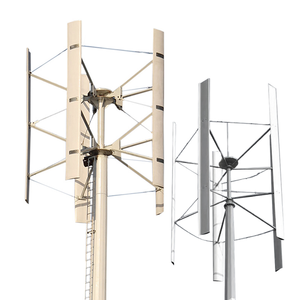
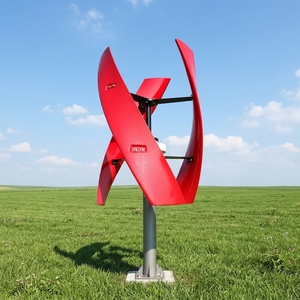
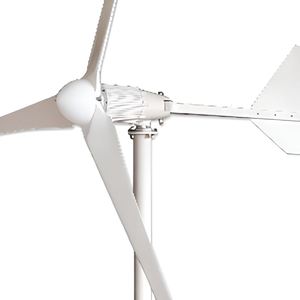
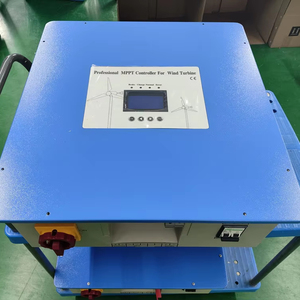
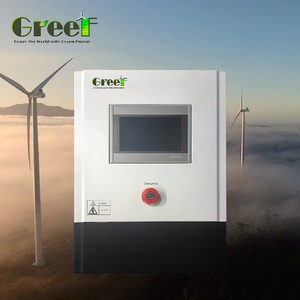
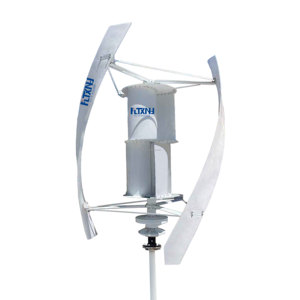
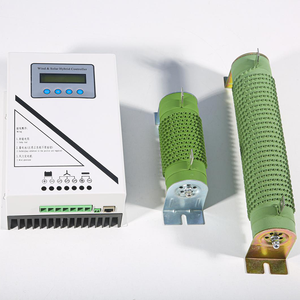

As Kansai accelerates its transition toward decentralized clean energy and carbon neutrality under the Osaka Green Transformation (GX) Initiative, the demand for ultra-reliable wind power control systems has reached an all-time high. Located along Osaka Bay, renewable energy infrastructure in Osaka Prefecture faces a complex convergence of environmental and electrical challenges: high ambient atmospheric salinity, erratic coastal turbulence, intense seasonal typhoons originating in the Pacific, and stringent power quality guidelines enforced by Kansai Electric Power Co. (KEPCO).
Our organization operates as a premiere manufacturer and international exporter of industrial-grade wind turbine controllers, off-grid MPPT regulators, and multi-megawatt grid-tied inverter control panels tailored to the Osaka market. Backed by over four decades of electro-mechanical engineering heritage, our control architectures bridge the gap between heavy industrial reliability and smart digital telemetry. Whether supporting small 1kW–5kW vertical-axis micro-turbines in dense industrial parks like Higashiosaka or deploying robust 30kW–100kW horizontal-axis control cabinets along coastal logistics hubs in Nanko and Sakai-Senboku, our systems deliver continuous power conversion optimization and fail-safe operation.
Exposed to severe marine salt spray (C5-M atmospheric corrosion) and gusty coastal air streams. Integrated with stainless IP65 enclosures and conformal-coated PCBs to prevent salt-induced shorting while managing 30kW–100kW harbor wind arrays.
High-density manufacturing rooftops require ultra-quiet vertical axis (VAWT) micro-turbines. Our 1.5kW–5KW controllers feature high-frequency PWM switching to eliminate mechanical low-frequency vibration and audible electrical noise.
Critical disaster-resilience power supplies for coastal emergency centers. Seamlessly combines wind MPPT charging, solar PV inputs, and battery storage with automated dump-load dumping during storm power outages.
Standard wind controllers often struggle under Japan's unique turbulent atmospheric conditions, where rapid wind direction shifts and thermal updrafts from urban concrete cause sudden rotor acceleration. Our engineering team designs controllers around dual 32-bit Texas Instruments Digital Signal Processors (DSP), enabling real-time sampling of generator AC waveform, shaft RPM, and DC bus voltage at 20 kHz frequencies.
Tracks maximum power points dynamically within milliseconds under turbulent coastal gusts, extracting up to 28% more energy compared to conventional step-charging logic.
Multi-stage electromagnetic braking protection (unloading valves) prevents mechanical stress, turbine overspeed, and generator runaway during severe Category 4+ typhoons.
Integrated active frequency drift (AFD) and anti-islanding mechanisms compliant with Japan Electrical Safety & Environment Technology Laboratories (JET) standards.
Allows system integrators to program 20-point power curve profiles directly matching specific permanent magnet synchronous generator (PMSG) torque characteristics.
Enables full integration into facility SCADA systems, factory automation networks, and remote cloud monitoring platforms with 4G/LTE telemetry fallback.
Aluminum extruded heat sinks paired with temperature-controlled IP55 cooling fans guarantee continuous full-load rating under ambient temperatures up to 55°C.
To assist local Osaka EPC contractors, renewable energy procurement engineers, and system designers, the following data matrix highlights our standard hardware specifications against regional grid requirements:
| System Attribute | Standard Generic Controller | Osaka Market Specialized Controller | Localized Engineering Value |
|---|---|---|---|
| MPPT Response Time | 1.5s to 3.0s delay | < 50 milliseconds | Captures fast turbulent wind gusts common in Osaka Bay. |
| Typhoon Braking Safety | Single mechanical brake | Dual PWM + Electromagnetic Unloading Valve | Zero risk of turbine burnout at wind speeds > 60m/s. |
| Corrosion Resistance | Standard paint / IP54 | C5-M Salt-Spray Rated / IP65 Sealed | Protects internal circuitry from aggressive Kansai coastal marine air. |
| Grid Compliance | Generic EU/US code | JIS C 8960 / KEPCO Interconnection Protocol | Simplifies grid connection approval with Japanese power utilities. |
| Telemetry Protocols | Basic RS232 or None | Modbus-RTU, CANbus, Ethernet, Cloud IoT | Seamless integration with smart factory SCADA systems. |
Operating as an elite manufacturing enterprise with over 40 years of electro-mechanical equipment engineering experience, we don't just sell off-the-shelf equipment—we engineer integrated power control solutions tailored to specific geographic wind profiles and electrical grid standards.
Every circuit board design, firmware algorithm, enclosure fabrication, and load bank test is conducted within our centralized manufacturing facility under strict ISO9001 quality audits.
Our engineering team calibrates the voltage-to-RPM curves specifically for your generator's inductance and torque profile prior to shipment, guaranteeing plug-and-play efficiency.
We maintain streamlined sea-freight and air-express shipping routes directly into the Port of Osaka and Kansai International Airport (KIX), backed by complete customs export documentation.
Answers to key engineering, regulatory, and logistics queries raised by Japanese solar-wind contractors, commercial factory operators, and equipment importers in the Kansai region.
Whether you require a single custom 5kW touch-screen controller or a fleet of 100kW industrial wind power cabinets for coastal industrial developments, our application engineers are ready to assist with system sizing, schematics, and quotes.