
Engineered specifically for the ecological, thermal, and aesthetic demands of Austrian lakes, municipal reservoirs, and hotel landscapes.
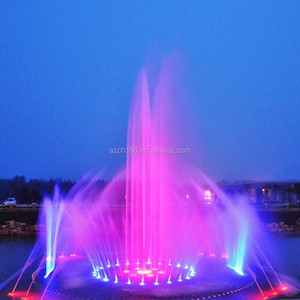
Heavy-duty modular HDPE floating platform equipped with multi-stage aeration nozzles and submersible IP68 LED illumination for municipal ponds.
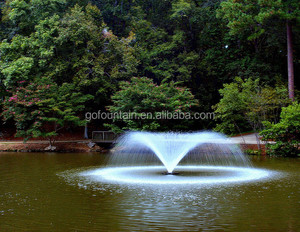
Designed for shallow retention basins, golf course lakes, and private estates requiring high oxygen transfer and low acoustic footprint.
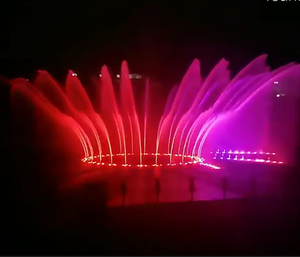
Marine-grade AISI 316L stainless steel structural frame featuring dynamic DMX512 choreography for landmark tourism sites.
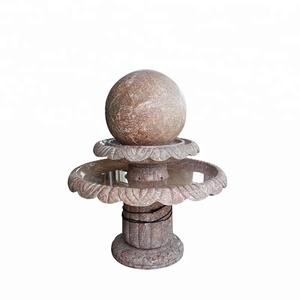
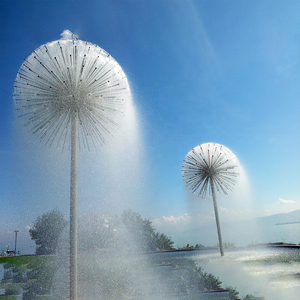
Architectural stone sphere levitated on micro-pressurized water film, ideal for luxury Alpine wellness centers and botanical gardens.
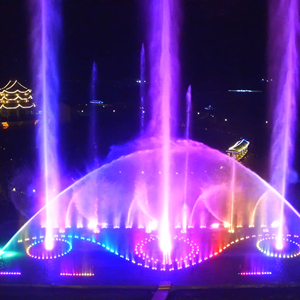
Engineered for wide public parks with wind-sensor auto-throttling to maintain water pattern integrity during Alpine thermal wind shifts.
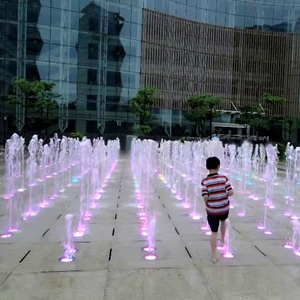
Next-generation VFD driven fountain matrix with sub-second response times for complex musical light-and-water symphonies.
Shoots vertical water plumes up to 35 meters, integrated with ultra-bright 36W RGBW lights for spectacular night vision on large lakes.
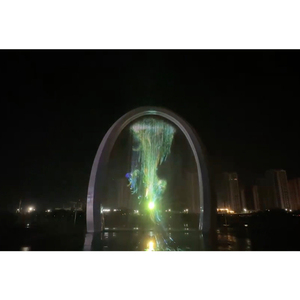
Creates a dense 30m x 10m translucent water mist canvas suitable for 4K video projection, optical laser shows, and media festivals.
Austria’s inland water landscape—ranging from deep glacial lakes like Lake Constance (Bodensee) and Lake Wörthersee to sensitive low-altitude ecosystems such as Lake Neusiedl—demands an exceptionally rigorous approach to aquatic engineering. As municipal councils, landscape architects, and commercial developers seek to enhance urban waterfronts and luxury thermal resorts, floating lake fountains have evolved from pure decorative amenities into vital tools for aquatic ecosystem stabilization, micro-climate modification, and night-economy generation.
When procuring floating water features for Austrian projects, specifying authorities must look beyond basic aesthetic water patterns. Hydraulic stability, seasonal temperature shifts, ice-heave resistance, low sound pressure levels (ÖAL directives), and compliance with European Water Framework Directives (WFD) form the core criteria of modern architectural procurement.
Austria’s water bodies undergo distinct seasonal stratification. During summer months, thermal layering isolates warm surface water (epilimnion) from cooler bottom water (hypolimnion), leading to localized oxygen depletion, anaerobic sediment breakdown, and cyanobacteria (blue-green algae) blooms. Floating fountains engineered with dual-function aerating impellers disrupt this stratification by inducing continuous high-volume vertical turnover.
In high-altitude regions such as Tyrol, Salzburg, and Carinthia, surface water freezing poses a major structural threat to static floating pontoons. Ice sheet expansion exerts immense lateral crushing forces, while freezing temperatures risk fracturing internal pump casings and manifold pipework.
Our engineered floating fountain systems utilize closed-cell UV-stabilized High-Density Polyethylene (HDPE) pontoons infused with polyurethane foam core insulation. Coupled with automated de-icing flow dynamics, the continuous thermal upwelling generated by bottom-draw submersible pumps prevents ice formation around the floating chassis in temperatures down to -25°C, eliminating the need for costly annual winter removal.
Constructed exclusively with low-carbon AISI 316L stainless steel frames and fasteners to withstand variable pH levels, mountain mineral runoff, and organic acid exposures found in Alpine lake beds.
Equipped with low-RPM multi-vane impellers and acoustic rubber dampening mounts to strictly adhere to Austrian ÖAL noise control limits for quiet spa towns and residential zones.
Integrated ultrasonic anemometers automatically adjust pump VFD frequencies during sudden Föhn winds in Alpine valleys, keeping water spray within intended basin parameters.
Hydro Dramatics, a specialized division of Missouri Machinery & Engineering Co., brings over four decades of mechanical, hydraulic, and electrical design expertise to high-profile international water features. From underground mechanical equipment vaults to advanced floating architectural displays, our engineering team works directly with European contractors, landscape architects, and municipal authorities from initial CAD schematics to final site commissioning.
From luxury Alpine thermal retreats to high-traffic municipal civic plazas, our engineered systems solve complex environmental and architectural challenges.
Locations: Tyrol, Bad Gastein, Salzkammergut
Integrating floating granite ball fountains and ambient LED illuminated water screens into resort lakes to elevate guest experience, create therapeutic visual focal points, and maintain crystal-clear water clarity.
Locations: Vienna (Neue Donau), Graz, Linz, Klagenfurt
Deploying large-scale DMX512 musical floating fountains and high-jet displays to generate night-tourism revenue, celebrate cultural events, and improve urban micro-climates during summer heatwaves.
Locations: Lower Austria, Styria industrial zones
Installing commercial-grade aerating floating fountains to eliminate stagnant water odors, accelerate biological breakdown of organic runoff, and satisfy regional environmental authority compliance mandates.
Regulatory shifts toward decarbonization and biodiversity preservation are driving major innovations in lake fountain engineering.
Austria’s aggressive targets for carbon neutrality have led to an increase in hybrid water infrastructure. Modern floating fountain installations are increasingly specified to connect with floating solar platforms. By utilizing on-site solar generation to power high-efficiency VFD submersible pumps during daytime peak hours, operators reduce grid dependence to zero during summer operating seasons.
Municipal facility management departments in cities like Salzburg and Innsbruck are moving away from manual fountain controls. Contemporary floating fountains feature centralized Modbus/IP IoT controllers housed in underground equipment vaults or remote control centers. Operators can monitor motor thermals, real-time power draw, vibration sensors, and water level changes via cloud dashboards, receiving automated alerts if maintenance is required.
To mitigate light pollution and protect nocturnal lake fauna in sensitive nature reserves, fountain lighting designs must adhere to strict lumen limits and directional optical control. Our custom RGBW submersible lights utilize narrow 15° to 30° beam optics that illuminate the water column precisely while minimizing spillover light into surrounding shoreline habitats.
Key considerations for municipal planners, general contractors, and landscape architects during project design phase.
Our floating fountains feature heavy-duty HDPE pontoons filled with closed-cell polyurethane foam that withstands lateral ice pressure without cracking or sinking. Additionally, for continuous winter operation, the bottom-draw pump configuration draws slightly warmer water from deeper lake strata (around 4°C) and pushes it to the surface, creating an ice-free zone around the fountain structure even when ambient air temperatures drop below -20°C.
All electrical components—including IP68 submersible pumps, underwater LED lighting fixtures, and VFD control panels—must comply with CE directives and ÖNORM EN electrical standards. Floating fountains installed in public swimming or recreational lakes are equipped with RCD (Residual Current Device) fast-tripping protection (30mA) and low-voltage DC lighting (24V DC) to ensure complete bather safety.
Alpine lakes often carry calcium carbonate and mineral sediments. We recommend bi-annual inspections. Stainless steel AISI 316L components resist scaling, but intake strainers should be inspected for organic debris. Our tool-less quick-disconnect suction screens allow maintenance crews to clear debris easily from a boat without pulling the entire fountain out of the water.
Yes. Alpine Föhn winds can cause significant water overspray. We incorporate automated ultrasonic wind sensors linked to the Variable Frequency Drive (VFD) panel. When wind speeds exceed pre-set thresholds (e.g., 25 km/h), the control system automatically lowers the fountain jet height or switches to a lower-profile pattern to prevent water loss and shore erosion.
Pontoons are secured using heavy-duty 316L stainless steel cabling attached to helical ground anchors, concrete sinkers, or shore-mounted tensioners. Subsea power cabling can run up to several hundred meters to shore-based electrical control vaults, provided voltage-drop hydraulic calculations are performed during the schematic engineering stage.
As a division of Missouri Machinery & Engineering Co., Hydro Dramatics combines 40+ years of hydraulic engineering experience with custom manufacturing capabilities. We do not just sell off-the-shelf equipment; we provide turnkey hydraulic sizing, CAD CAD/BIM layout integration, custom nozzle fabrication, and full commissioning support for complex international projects.
From initial limnological assessment to custom DMX programming, our engineering team is ready to bring your water feature vision to life.
We review your site bathymetry, water quality data, electrical supply, and aesthetic goals to recommend optimal fountain geometry and pump capacity.
Our engineers calculate friction losses, cable voltage drops, cable anchorage loads, and prepare stamped construction-ready submittals.
Equipment packages are assembled under strict ISO/CE quality standards in our factory, pre-tested, and shipped direct to your site in Austria.
Access complete CAD drawings, pump curves, photometric lighting data, and pricing for your upcoming commercial or municipal floating fountain project in Austria.
Get Catalog