

Addressing Thermal Stratification, Anoxia, and Biofouling Risks in Greek Water Infrastructure
Waterbody management across the Hellenic Peninsula and the Aegean Archipelago presents unique hydro-thermal challenges. Operating under extended Mediterranean summer heatwaves—where water surface temperatures frequently surpass 28°C—lakes, municipal stormwater retention basins, and agricultural reservoirs undergo rapid severe thermal stratification. This phenomenon isolates deeper water layers (hypolimnion), starving them of atmospheric oxygen exchange and creating acute benthic anoxia. In turn, anoxic conditions unleash dissolved phosphorus and ammonia from bottom sediments, fueling toxic harmful algal blooms (HABs) dominated by cyanobacteria.
For commercial aquaculture operations in the Gulf of Corinth, the Amvrakikos Gulf, and coastal lagoons near Messolonghi, oxygen depletion is the primary catalyst for biomass mortality and stress-induced pathological outbreaks in European Sea Bass (Dicentrarchus labrax) and Gilthead Seabream (Sparus aurata). Deploying industrial-grade floating aerators is not merely an aesthetic choice; it is a critical thermodynamic intervention required to maintain Dissolved Oxygen (DO) levels above the threshold of 5.5 mg/L across all depth profiles.
Designed for shallow basins (<3 meters), surface splashing aerators draw liquid from below the surface and propel high-velocity water droplets into the atmosphere. This maximizes the gas-water contact interface, facilitating rapid carbon dioxide degassing and oxygen saturation at minimal specific power consumption (SAE > 2.2 kg O₂/kWh).
Utilizing Venturi pressure differentials, aspirating units draw atmospheric air down through an intake pipe and inject micro-bubbles at angles ranging from 0° to 45°. This creates horizontal water movement that breaks hypolimnetic stratification without disrupting fragile bottom silt in Greek coastal lagoons.
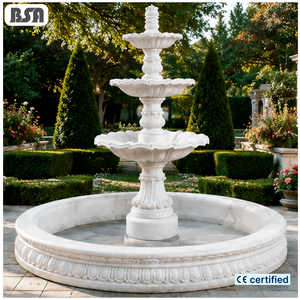
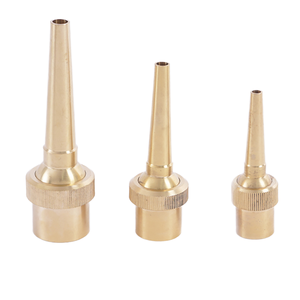
Combining architectural visual impact with functional oxygenation. Engineered with precision-machined brass and SUS316 nozzles, these systems serve luxury resorts in Crete, Mykonos, and Rhodes by providing dynamic aesthetic displays alongside high Standard Oxygen Transfer Rates (SOTR).
Use this performance matrix to match hydro-mechanical equipment to your target aquatic environment in Greece.
| Aerator Class | Primary Kinetic Method | SOTR (kg O₂/h) | Effective Depth | Salinity & Corrosion Resistance | Recommended Greek Application |
|---|---|---|---|---|---|
| High-Impeller Surface Aerator | Vertical Direct Drive Spray | 3.5 - 18.0 | 1.0 - 2.8 meters | AISI 304 / 316L Stainless Steel | Agricultural Lagoons (Thessaly, Peloponnese) |
| Submersible Venturi Aspirator | Horizontal Micro-Bubble Injection | 2.8 - 14.2 | 2.0 - 6.0 meters | Titanium Drive Shaft / Duplex 2205 | Marine Aquaculture (Aegean & Ionian Cages) |
| Architectural Floating Fountain | Crown & Geyser Hydraulic Spray | 1.8 - 8.5 | 1.2 - 3.5 meters | Passivated Brass / Marine Bronze / SUS316 | Resort Lakes & Golf Courses (Crete, Peloponnese) |
| Solar-Direct DC Floating Aerator | Low-Voltage Brushless Drive | 0.9 - 4.2 | 0.8 - 2.0 meters | UV-Stabilized HDPE Float Base | Off-Grid Island Reservoirs (Cyclades) |
Custom Hydro-Engineering Tailored to Greece's Microclimates and Regulatory Landscape
Greece is the largest exporter of European Sea Bass and Gilthead Seabream in the European Union. In sheltered bays and brackish lagoon sites like Messolonghi, water circulation slows dramatically in mid-summer. Floating aerators with submersible AISI 316L motor housings provide emergency oxygenation during stagnant high-temperature periods, preventing catastrophic stress mortalities and safeguarding feed conversion ratios (FCR).
Olive oil extraction in the Peloponnese and Crete generates high-strength organic wastewater characterized by elevated chemical oxygen demand (COD) and toxic phenolic content. High-speed surface aerators introduce intense turbulence and shear forces that degrade stubborn polyphenols, accelerating aerobic biological treatment prior to environmental discharge under Greek Joint Ministerial Decree compliance.
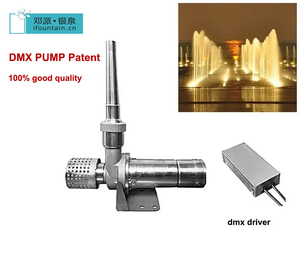
Luxury hospitality destinations require pristine water aesthetics combined with silent operational acoustics. Dual-duty floating aerator fountains maintain crystal-clear water transparency in artificial lakes by inhibiting odor-causing anaerobic digestion, while integrating DMX512 architectural lighting to elevate nighttime landscape value.
Stricter monitoring of inland body water status by the Hellenic Ministry of Environment and Energy mandates proactive aeration to combat eutrophication caused by agricultural nitrate runoff in agricultural hubs like the Thessaly plain.
With island communities relying heavily on reverse osmosis (RO) desalination, floating aerators facilitate localized mixing in coastal brine discharge zones, accelerating dilution and mitigating localized environmental impacts on sea grass beds (Posidonia oceanica).
Given Greece's annual solar yield exceeding 3,000 hours, modern floating aeration systems are engineered with Variable Frequency Drives (VFDs) optimized for direct coupling with off-grid floating solar installations on agricultural reservoirs.
Over Four Decades of Hydraulic Master Plan Engineering, Precision Fabrication & Global Execution
Backbone industrial pump and hydraulic machinery legacy spanning more than 40 years. We solve complex water flow dynamics that generic suppliers cannot match, assuring long service life under tough operational conditions.
From passivated SUS316L components to customized electrical equipment vaults and DMX512 multi-function controller panels, every aeration unit is fully tested in-house before export shipping to Greek ports (Piraeus, Thessaloniki, Patras).
We supply not only floating aerators, but complete integrated hydraulic packages—including anchoring assemblies, marine grade submersible cabling, heavy-duty float floats, and automated controls with remote telemetry integration.
Technical Clarifications for Procurement Directors, Aquaculturists, and Municipal Water Engineers
For brackish lagoons and open marine fish farms in Greece, we manufacture aerators using high-grade AISI 316L stainless steel, silicon carbide mechanical seals, and heavy-duty sacrificial zinc/magnesium anodes. This prevents galvanic and pitting corrosion in high-salinity seawater environments.
All our motors and control systems supplied to Greece are built to fully standard European grid standards: 380V/400V/415V, 3-Phase, 50Hz (or 230V Single-Phase for smaller units). Control panels feature IP65/IP66 outdoor ratings and incorporate thermal overload protection tailored to ambient operating conditions exceeding 45°C.
Yes. Our floating aerators feature low-center-of-gravity rotational molded HDPE floats filled with closed-cell polyurethane foam. Combined with engineered 3-point underwater cable mooring or rigid vertical guide-pole anchoring, the equipment remains stable even when subjected to wind speeds up to Beaufort Force 8.
We supply complete CE Declaration of Conformity documentation, ISO 9001 quality certificates, hydraulic test performance curve reports, and full motor wiring schematics required for local municipal approval and Hellenic environmental permit compliance.
We coordinate direct container shipping (FCL/LCL) to major Greek ports including Piraeus, Thessaloniki, and Patras under standard Incoterms (CIF, FOB, DDP). All packages are export-crated with IP68 component protection to guarantee damage-free arrival.
Whether you require oxygenation for a commercial marine fish farm, industrial wastewater treatment lagoon, or a landmark architectural resort lake, our senior engineering team is ready to analyze your site specifications and generate complete hydraulic solutions.