


Comprehensive Whitepaper: OEM/ODM Water Level Regulator Manufacturing & Procurement Engineering
Water level regulators serve as the critical neural system of modern commercial architectural fountains, public splash pads, industrial reservoirs, and municipal water display features. Maintaining tight water level thresholds prevents catastrophic pump cavitation, preserves chemical treatment balances, suppresses splash-zone overflow, and minimizes water losses due to evaporation and splashout.
In high-stakes commercial applications—such as civic plazas (e.g., Citygarden or Keiner Plaza), resort waterfalls, and large-scale interactive aquatic facilities—off-the-shelf residential float valves fail rapidly due to dynamic wave action, mineral scale buildup, and high operational cycles. This definitive procurement guide reviews the critical engineering considerations, manufacturing technologies, and future market trends shaping the supply of OEM/ODM water level regulation systems worldwide.
1. Mechanics of High-Precision Water Level Regulation
An industrial-grade OEM water level regulator must accommodate static and dynamic hydraulic environments. Hydrodynamic turbulence caused by multi-stage variable speed pumps, wind drag across open water surfaces, and splash activity can trigger false sensor trips. Custom OEM/ODM manufacturers overcome these challenges by deploying multi-tiered sensing architectures coupled with anti-turbulent wave damping chambers.
- Conductivity Probe Arrays: Utilizing 316L stainless steel or titanium electrode rods enclosed inside stilling wells, conductivity sensors measure liquid continuity across predefined high, low, auto-fill, and low-water-cutoff (pump protection) thresholds.
- Submersible Hydrostatic Pressure Transmitters: Designed for deep vaults, retention ponds, and large floating fountains, hydrostatic pressure sensors output continuous 4–20mA analog signals to PLC (Programmable Logic Controller) systems, delivering millimeter-level precision regardless of surface chop.
- Ultrasonic & Optical Non-Contact Sensors: Used in aggressive chemical environments or decorative architectural reflection pools where exposed underwater hardware is aesthetically unacceptable.
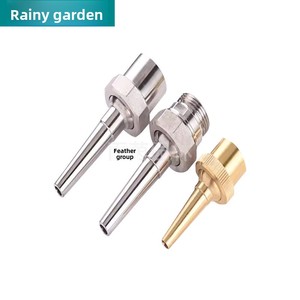
- Solid-State Magnetic Float Switches: Heavy-duty, hermetically sealed reed-switch float assemblies housed in rugged brass or stainless steel casings for high-reliability back-up safety cutoffs.
Anti-Wave Damping Logic
Integrated micro-controller delay timers (0.5s to 60s) filter out momentary wave surges, preventing rapid cycling of solenoid feed valves and extending valve coil lifespan.
Auto-Top-Off & Overflow Prevention
Dual-stage solenoid valve control ensures fast water replenishment during peak evaporation while triggering emergency electric drain isolation during storm surges.
Pump Cavitation Interlock
Failsafe low-water disconnect relays instantly isolate high-horsepower fountain pumps before suction lines draw air, eliminating impeller destruction.
2. Technical Comparison Matrix: Sensor Selection for OEM Projects
When specifying custom OEM/ODM level regulators for architectural water features or industrial reservoirs, procurement managers must match sensor physical properties to water quality, temperature extremes, and maintenance accessibility.
| Technology Type | Optimal Application | Accuracy | Maintenance Profile | OEM Customization Flexibility |
|---|---|---|---|---|
| Multi-Pin Conductivity Probes | Commercial Fountains, Vault Basins | ± 2.0 mm | Low (Periodic descaling) | High (Cut-to-length stainless rods) |
| Hydrostatic Transmitters | Deep Ponds, Municipal Lakes | ± 1.0 mm | Very Low (Self-flushing diaphragm) | High (4-20mA / Modbus RS485 outputs) |
| Ultrasonic Non-Contact | Sterile Splash Pads, Chemical Tanks | ± 0.5 mm | Zero Submerged Contact | Medium (Requires clear line of sight) |
| Magnetic Float Manifolds | Underground Vault Sump Basins | ± 5.0 mm | Medium (Mechanical inspection) | High (Custom flange & wiring harnesses) |
3. Future Procurement & Technology Trends (2025–2030)
The global water level regulator market is transitioning rapidly from simple electromechanical switches to intelligent, IoT-enabled fluid telemetry hubs. OEM factories in 2025 and beyond are incorporating several breakthrough capabilities into custom orders:
- Smart Edge Telemetry & SCADA Integration: Modern industrial water features demand remote monitoring capabilities. OEM regulators now come equipped with native Modbus, BACnet, and Wi-Fi/Cellular gateways that send real-time fluid loss alerts to facility management dashboards.
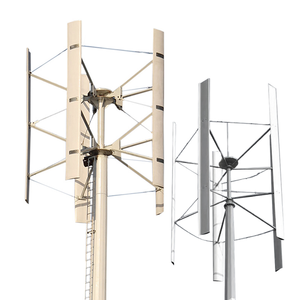
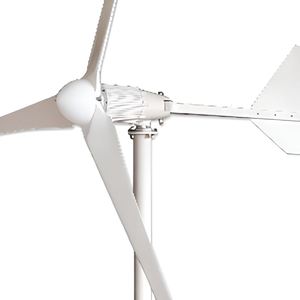
- Renewable Power Synergy (Solar/Wind Off-Grid Controllers): For remote municipal lake aerators and floating fountains (such as horizontal/vertical axis wind turbine installations), low-voltage DC water level regulators (12V/24V DC) are built to run continuously on off-grid renewable power systems without sacrificing valve actuating power.
- Predictive Evaporation & Leak Detection Algorithms: Advanced controllers analyze auto-fill duty cycles against localized weather data. If an auto-top-off valve remains open longer than expected without elevated ambient temperatures, the system flags an underlying structural or underground pipe leak automatically.
- Modular Pre-Fabricated Vault Packages: Leading specifiers now request turnkey equipment packages—where water level sensors, automatic water treaters, filtration pumps, and backwash valves are pre-wired and hydro-tested inside heavy-duty fiberglass or stainless steel underground vaults prior to site delivery.