
High-performance hydraulic equipment, smart lighting, precision nozzles, and off-grid controllers engineered for architectural plaza projects.
In modern urban architecture, a public plaza fountain is far more than a decorative water feature; it is an intricate nexus of mechanical engineering, dynamic fluid dynamics, public safety compliance, and energy management. Operating as a specialized architectural water feature division backed by over 40 years of structural and mechanical engineering expertise through Missouri Machinery & Engineering Co., our engineering group transforms ambitious architectural sketches into robust, sustainable, and fully compliant water displays.
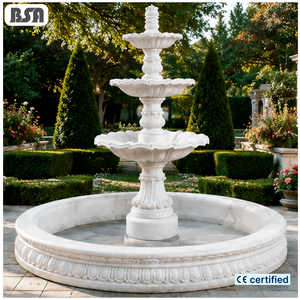
Whether configuring high-traffic municipal interactive splash pads, multi-tier hand-carved stone monuments, floating granite sphere displays, or dynamic musical jumping jets, our multi-disciplinary approach ensures that hydraulic piping, electrical actuation, sub-grade equipment vaults, and water treatment systems operate harmoniously. Every project engineered by our team adheres strictly to European Union (CE) standards, North American electrical codes, and global public health filtration protocols.
Core Technical Commitment: We eliminate the operational risk for B2B procurement officers, landscape architects, and municipal general contractors by integrating schematic hydraulic modeling, in-house component fabrication, and verified CE safety compliance into a unified delivery framework.
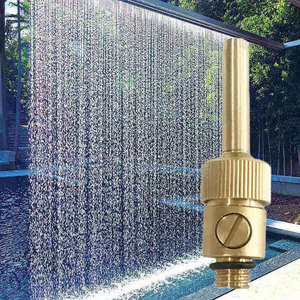
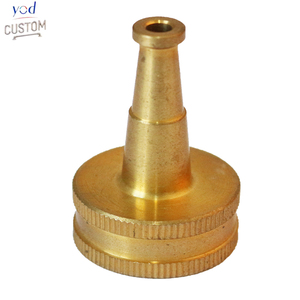
Direct integration with heavy machinery manufacturing allows us to custom-engineer 316L stainless steel manifolds, brass nozzle assemblies, and heavy-duty vault skid platforms under stringent quality control.
Full adherence to Low Voltage Directive (LVD 2014/35/EU), Electromagnetic Compatibility (EMC 2014/30/EU), and Machinery Directive 2006/42/EC ensures total safety for public immersion.
Designing prefabricated, climate-controlled, dry-well equipment vaults equipped with automated backwash filtration, UV sterilization, and variable frequency drive (VFD) pumping systems.
Procuring plaza fountains for international commercial or public projects requires strict verification of safety, environmental impact, and electrical standards. CE certification is not merely a label; it represents rigorous third-party and factory compliance testing across multiple European Directives. Below is an exhaustive structural breakdown of the mandatory directives required for commercial plaza water features:
| Directive / Standard | Technical Scope & Focus Area | Engineering Compliance Requirement |
|---|---|---|
| LVD 2014/35/EU (Low Voltage Directive) |
Submersible electrical equipment, LED drivers, high-power pumps, terminal boxes. | Requires extra-low safety voltage (SELV DC 12V/24V) inside water basins; double insulation barrier and dielectrically isolated sub-grade equipment connections. |
| EMC 2014/30/EU (Electromagnetic Compatibility) |
Variable Frequency Drives (VFDs), DMX512 dynamic light controllers, solenoid valves. | Prevents radio frequency interference (RFI) and electromagnetic surges from affecting adjacent municipal infrastructure or communication networks. |
| Machinery Directive 2006/42/EC (Mechanical Safety) |
High-pressure water jets, pneumatic actuators, motorized rotating fountain display mechanics. | Mandates mechanical risk assessments, anti-entrapment drain covers (ASME A112.19.8 compliance), emergency shut-off protocols, and structural shear prevention. |
| EN 60529 (IP Rating) (Ingress Protection Code) |
Submersible LED PAR56 fixtures, underwater junction boxes, submersible pumps. | Guarantees IP68 rating (continuous submersion at depth > 2 meters) with continuous pressure testing and anti-capillary cable gland sealing. |
| DIN 19643 / EN 15288 (Water Treatment & Hygiene) |
Public interactive splash pads, municipal spray parks, plaza reflection pools. | Enforces continuous automated chlorination, pH balancing, quartz sand/glass media filtration, and high-dosage UV disinfection to eradicate waterborne pathogens (Legionella, E. coli). |
When selecting a CE certified plaza fountains supplier, general contractors must request certified test reports for both structural integrity and electrical enclosure isolation. Equipment specified without verified IP68 ratings and SELV transformer isolation presents significant liability risks in public urban spaces.
As smart cities evolve, public plaza water features are shifting from static decorative basins to interactive, energy-autonomous, and eco-responsive architectural hubs. Landscape architects and municipal planning boards are establishing new procurement benchmarks focused on total life-cycle costs and environmental efficiency.
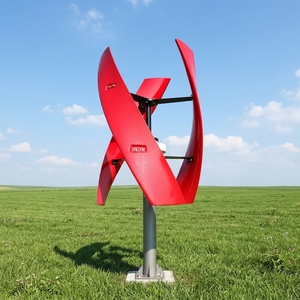
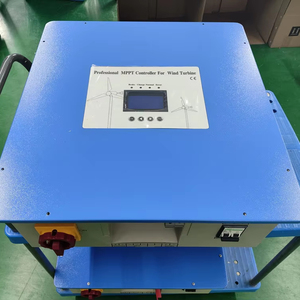
Public plaza developments are increasingly pairing fountain pumping stations with renewable energy storage. Integrating MPPT wind generator controllers (2kW–10kW) and solar PV arrays allows municipal splash pads and aerating display fountains to operate off-grid or supplement peak power demands, dramatically lowering municipal utility costs.
Traditional cast-in-place concrete vaults suffer from high field labor costs, weather delays, and potential water ingress. Modern procurement favors pre-engineered, factory-tested fiberglass (FRP) or heavy-gauge stainless steel vaults housing pumps, sand filters, backwash actuators, and control panels pre-wired and tested prior to site shipment.
Static displays are rapidly being replaced by dynamic visual features. Digital jumping jets, pneumatic shooters, and high-frequency solenoid nozzles controlled via DMX512 or Art-Net protocols allow water streams to perform intricate choreographies synchronized with RGB LED illumination and soundscapes.
Purchasing cheap plastic or cast-iron components leads to premature corrosion, nozzle clogging, and costly system downtime. Global B2B buyers now mandate 316L marine-grade stainless steel for pool lighting housings and precision CNC-machined brass for spray nozzles to resist chemical degradation from chlorine and saline exposure.
The engineering evolution of plaza fountains relies heavily on breakthroughs in metallurgy, fluid dynamics, and optoelectronics. Our R&D division continuously incorporates advanced manufacturing technologies to optimize energy output, fluid coherence, and light output efficiency.
Unlike standard spray nozzles that create turbulent droplets subject to wind drift, high-precision laminar jumping jets utilize Internal Flow Straighteners (IFS) and stainless steel mesh matrices. This physics-driven configuration yields a crystal-clear, smooth glass rod of water capable of traveling up to 10 meters without breaking apart. Adding high-speed internal light-path cutters enables light to be trapped inside the water stream via total internal reflection, creating vibrant "glowing water arches."
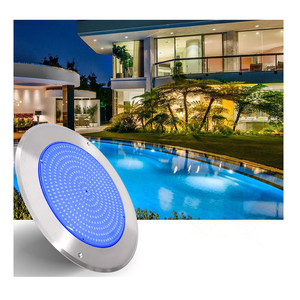
High-lumen LED PAR56 submersible lamps require specialized thermal dissipation. Using forged 316L stainless steel casings combined with thermally conductive silicone potting compounds ensures heat generated by high-power RGB/RGBW LED chips is rapidly transferred to the surrounding water. This engineering design prevents LED lumen depreciation and guarantees continuous operation exceeding 50,000 service hours.
Modern municipal plaza fountains utilize Smart Water Quality Controllers equipped with continuous ORP (Oxidation-Reduction Potential), pH, and turbidity sensors. When public bathers or environmental debris alter basin chemistry, the system automatically triggers peristaltic dosing pumps and initiates automated backwash sequences, guaranteeing public safety without manual technician intervention.
Essential insights for landscape architects, mechanical consultants, general contractors, and B2B buyers.
Every commercial order manufactured by our facility includes an official EU Declaration of Conformity certificate, factory dielectric withstand test reports, IP68 immersion validation certificates, and full schematic wiring diagrams compliant with EN 60204-1 safety standards.
Engaging our engineering team during the Schematic Design (SD) or Design Development (DD) phase is critical. Early involvement ensures correct hydraulic pipe sizing, accurate structural load allowance for elevated plaza decks, optimized vault dimensioning, and precise electrical feed calculations, avoiding expensive field revisions during construction.
Grade 316L stainless steel contains molybdenum (2-3%), which drastically increases resistance to pitting and crevice corrosion in environments treated with high chlorine levels, bromine, or natural saline runoff. Grade 304 is prone to tea-staining and surface rust in treated municipal fountain waters.
Pre-fabricated FRP or stainless steel vaults are manufactured, wired, plumbed, and pressure-tested in a controlled factory setting prior to delivery. This eliminates multi-trade scheduling delays on site, guarantees 100% watertight integrity, reduces total installation time by up to 70%, and provides compact, ergonomic access for maintenance technicians.
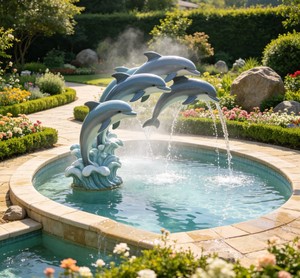
Yes. Backed by our mechanical engineering parent organization, we specialize in calculating fluid velocity, overflow weir balance, and internal structural piping support for custom hand-carved marble tiers, granite spheres, and large-scale FRP animal or modern geometric sculptures.
Standard nozzles, PAR56 lights, and standard controllers are typically dispatched within 2 to 3 weeks. Full custom mechanical skid packages, dynamic VFD panels, and hand-carved architectural stone assemblies generally require 6 to 10 weeks depending on structural complexity and testing protocols.