
Precision-engineered hydraulic filtration assemblies, reverse osmosis platforms, and high-flow submersible pump systems certified to European CE, UL, and international safety benchmarks.
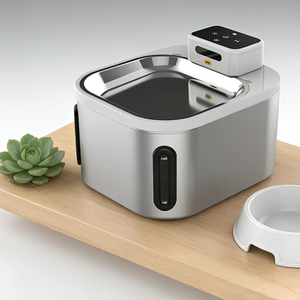
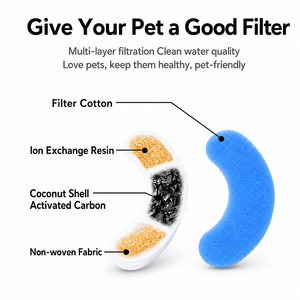
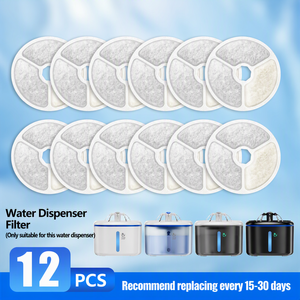
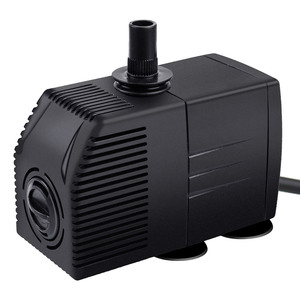
In modern architectural landscaping and urban hydraulic engineering, decorative and interactive water features serve as primary visual anchors. However, maintaining long-term water clarity, operational safety, and microbiological control presents complex fluid-dynamic challenges. As a specialized OEM manufacturer and global exporter backed by over 40 years of heavy hydraulic design experience (as a division of Missouri Machinery & Engineering Co.), we deliver CE-certified fountain filtration systems engineered for zero-downtime reliability.
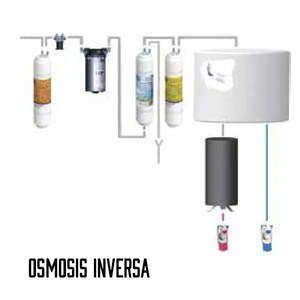
Architectural fountains operate in non-enclosed, highly dynamic environments exposed to atmospheric dust, organic debris, surface runoff, biological algae bloom, and direct human immersion (specifically in interactive splash pads and municipal fountains). Standard domestic filtration units fail under these high-demand loads. Commercial-grade fountain filtration systems must combine high-rate mechanical media filtration, micro-pore Ultrafiltration (UF), Reverse Osmosis (RO) desalting, and Advanced Oxidation Processes (AOP / O3) within compact, serviceable vault layouts.
Every system exported from our facilities undergoes strict testing adhering to European Union CE Directives—including the Machinery Directive 2006/42/EC, Low Voltage Directive 2014/35/EU, and Electromagnetic Compatibility (EMC) Directive 2014/30/EU—ensuring seamless integration into commercial municipal projects worldwide.
The global commercial fountain filtration market is transitioning rapidly toward energy-efficient, smart-monitored, and chemical-reduced purification technologies. Sourcing partners must evaluate four key architectural waves.
Traditional sand filters are no longer sufficient for high-density public spaces. Modern systems pair industrial-grade quartz sand pre-filtration with high-flux hollow fiber Ultrafiltration (UF) membranes (0.01 to 0.1 micron rating). This hybrid setup removes 99.99% of suspended solids, turbid colloidal matter, and bacterial cysts without causing drastic pressure drops across recirculation pumps.
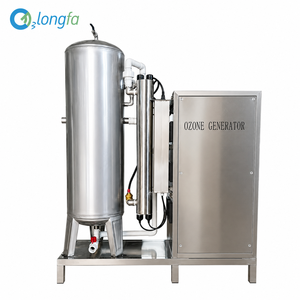
Excessive chlorine chemical dosing corrodes fountain pumps, damages stone masonry, and causes unpleasant odors that deter visitors. Future-ready commercial fountains utilize integrated corona-discharge ozone generators combined with targeted UV-C disinfection modules. Ozone acts as a potent oxidizer that neutralizes organic pathogens instantly before converting cleanly back into oxygen.
Manual maintenance accounts for over 45% of total fountain lifecycle costs. Leading CE-certified manufacturers now embed differential pressure sensors, digital turbidity meters, and IPX7-rated LCD controllers. When sediment accumulation raises internal system delta-pressure beyond set limits, automatic backwash valves trigger, purging accumulated sludge automatically without manual intervention.
Engineers increasingly mandate turnkey, skid-mounted, or underground fiberglass vault packages. Pre-assembled mechanical vaults contain pumps, pressure strainers, dosing equipment, electrical controls, and drainage sump pumps within a single watertight enclosure—reducing site installation labor by up to 60%.
Integrating Variable Frequency Drives (VFDs) with centrifugal stainless steel pumps allows dynamic adjustment of water feature height while cutting energy consumption by up to 40% during off-peak night hours. Dynamic VFD control significantly reduces pump thermal stress and extends mechanical seal longevity.
Fountain water treatment chemicals and saline environments rapidly degrade standard cast iron pumps. Market leaders utilize marine-grade AISI 316L stainless steel for all wetted components, impellers, and filter housings, ensuring maximum resistance against pitting corrosion and structural failure.
Sourcing fountain filtration hardware requires evaluating total cost of ownership (TCO) rather than initial purchase price. As municipal water reuse mandates tighten globally, procurement officers and engineering contractors must align specifications with three major market shifts:
| System Type | Target Application | Recommended Flow Rate | Core Filtration Tech | CE & Safety Standard |
|---|---|---|---|---|
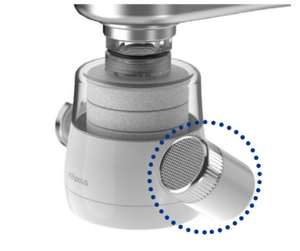
| Compact Eco-Ozone RO System | Drinking Fountains & High-Touch Interactive Pads | 0.1 – 5.0 T/H | Multi-stage RO + Micro-Ozone Oxidation | CE, EN 60335-2-41, IPX7/IPX8 |
| Submersible Centrifugal Pump Filter | Decorative Ponds, Lakes & Floating Features | 5.0 – 50.0 T/H | High-Flow Strainer + Centrifugal ABS/SS Body | CE, CUL, IPX8 Waterproof |
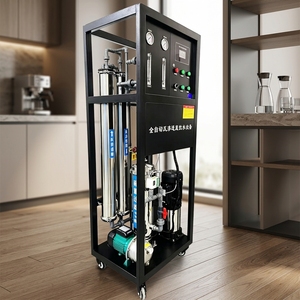
| Smart Stainless Steel Tower System | Commercial Plazas, Malls & Campus Fountains | 1.0 – 10.0 T/H | Ultrafiltration (UF) + LCD Smart Sensing | CE, ISO 9001 Certified |
| Pre-Fabricated Vault Equipment Package | Large Civic & Municipal Monumental Fountains | 20.0 – 200+ T/H | High-Rate Quartz Sand + AOP Ozone/UV | CE Directive 2006/42/EC |
Combining 40+ years of hydraulic engineering experience with state-of-the-art manufacturing, we provide turnkey support from schematic hydraulic design to global shipping.
As a specialized division of Missouri Machinery & Engineering Co., our in-house engineering team calculates precise hydraulic head losses, friction factors, flow rates, and turnover rates, preventing pump cavitation and undersized filtration.
Our production protocols conform to rigorous ISO 9001 quality management systems. Every fountain filtration pump assembly carries CE certification, verifying compliance with international safety, pressure, and electrical standards.
We export custom fountain systems and filtration platforms worldwide. From civic plazas in North America to luxury resort landscapes across Europe and the Middle East, our technical team provides complete installation and maintenance documentation.
Expert answers to common engineering, compliance, and purchasing inquiries regarding CE-certified fountain filtration equipment.
CE certification for commercial fountain filtration equipment requires compliance with multiple European Directives. Key among these are the Machinery Directive (2006/42/EC) for structural mechanical safety, the Low Voltage Directive (2014/35/EU) governing electrical pump safety, and the EMC Directive (2014/30/EU) ensuring electromagnetic isolation. Furthermore, pumps intended for submersion must satisfy EN 60335-2-41 standards with IPX8 ingress protection ratings.
Filtration flow rates depend on total water volume and turnover frequency. For standard decorative landscape fountains, a turnover rate of 2 to 4 hours is recommended (recirculating the total basin volume every 2–4 hours). For interactive public splash pads or fountains with heavy bather exposure, municipal codes require turnover rates of 30 minutes to 1 hour. Multiply total volume by turnover rate to determine required metric tons per hour (T/H) or gallons per minute (GPM).
Ozone (O3) is an exceptionally powerful oxidation agent—up to 3,000 times faster than chlorine at destroying micro-organisms, viruses, and algae. Unlike chlorine, ozone leaves no toxic chloramine residues, does not emit harsh chemical odors, and does not alter water pH. It breaks down into natural oxygen after oxidation, protecting expensive granite work, bronze statuary, and stainless steel pump components from corrosive chemical damage.
Routine maintenance involves inspecting pre-strainer baskets weekly, monitoring pressure differentials across media beds, and scheduling automated or manual backwashes when pressure drops exceed 0.5 bar (7.2 PSI). Installing smart LCD differential sensors ensures backwashing occurs before pump suction lines experience starvation, preventing destructive pump cavitation and impeller degradation.
Yes. As a full-service manufacturer with deep mechanical engineering roots, we specialize in custom OEM and ODM manufacturing. We fabricate specialized underground equipment vaults, pre-assembled skid packages, custom manifold headers, and programmable electrical control panels tailored specifically to your project's architectural drawings and hydraulic specifications.