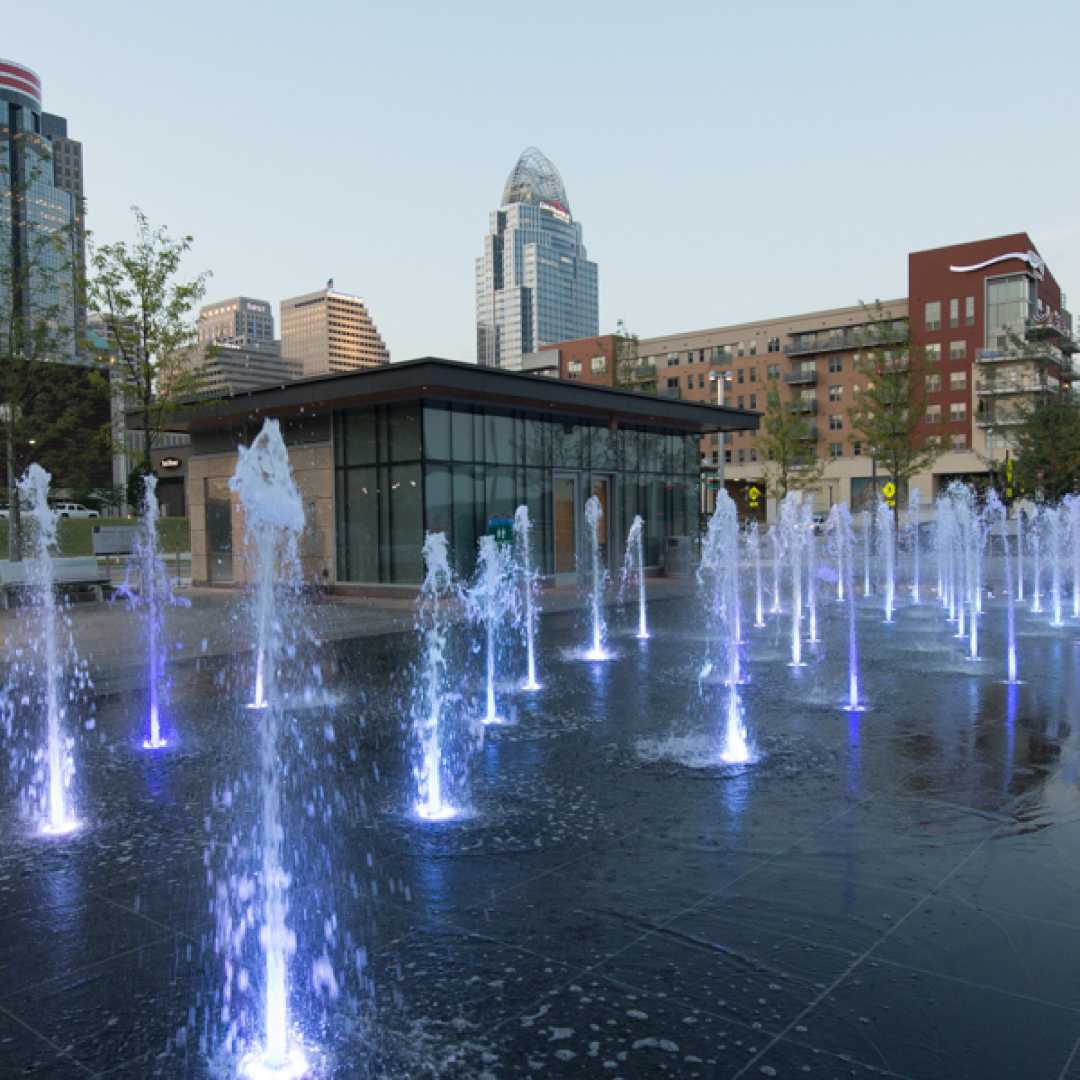
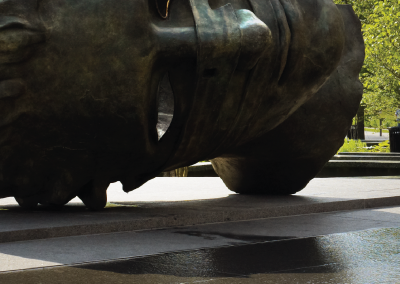
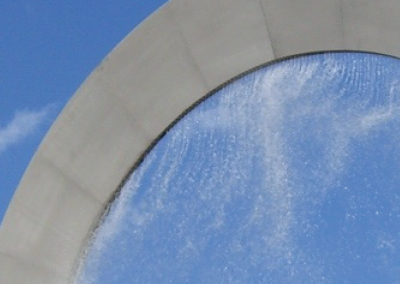
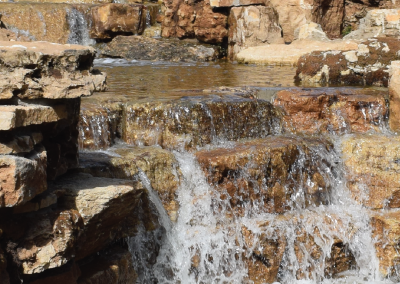
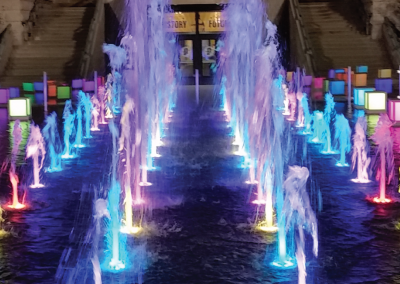
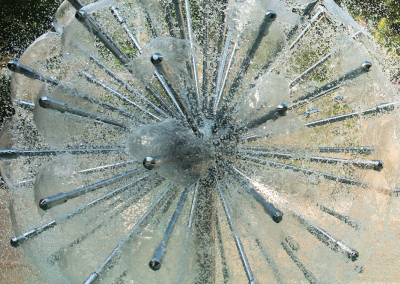
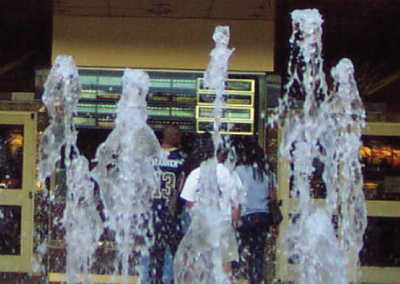
Citygarden custom bronze sculpture fountain engineered by Hydro Dramatics in St. Louis
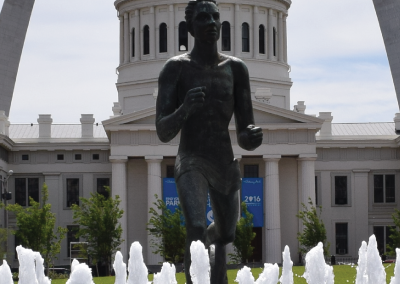
Smale Riverfront Park interactive bronze sculpture water feature
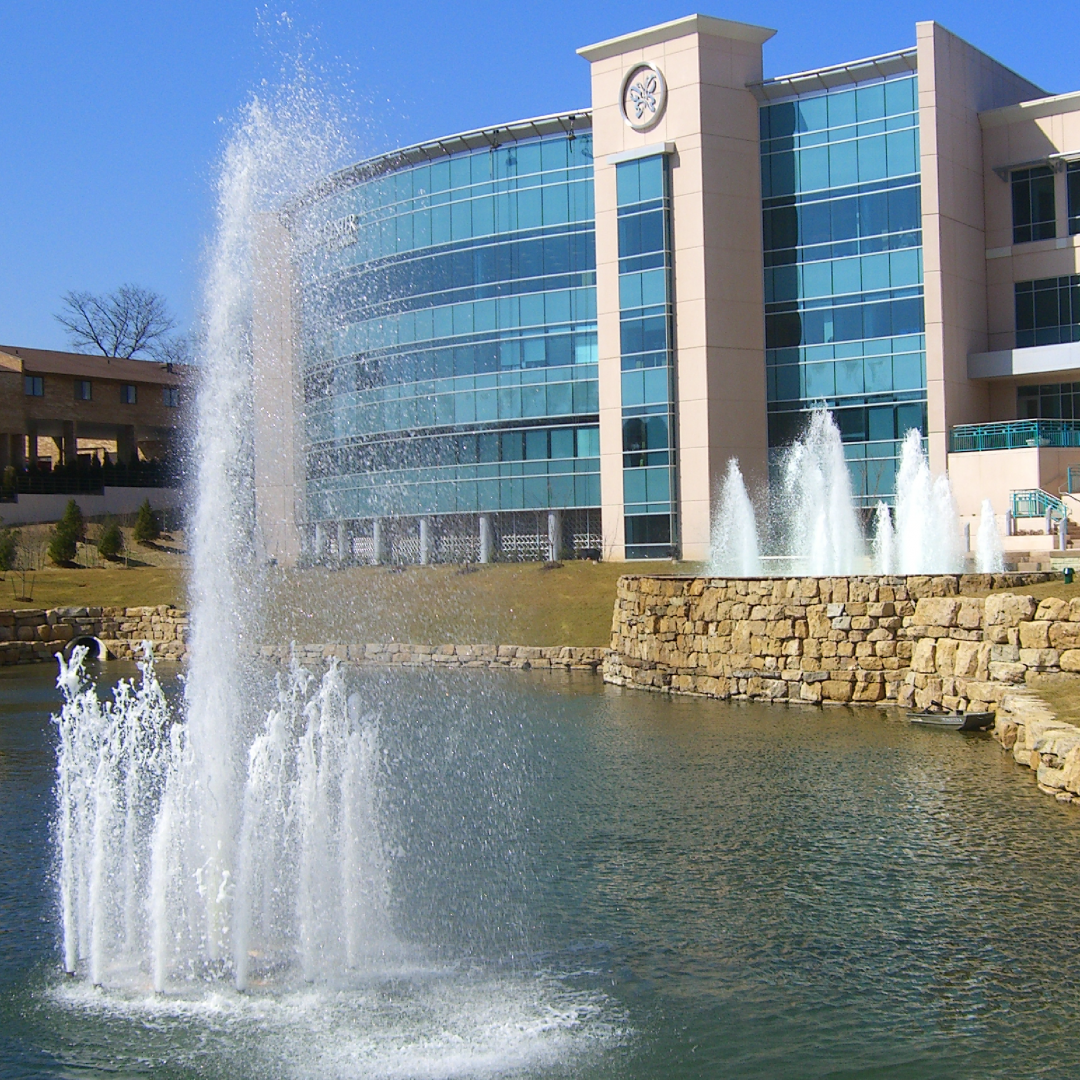
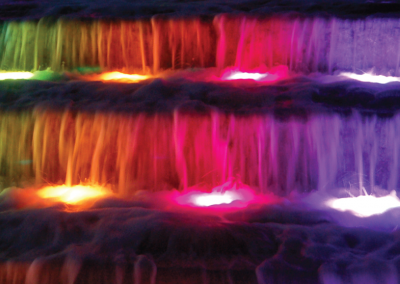
Architectural floating and bronze site fountains at Delmar Gardens
Precision engineered sculptural fountain mechanics by Hydro Dramatics
Division of Missouri Machinery & Engineering Co.

Engineering Commercial Bronze Sculpture Fountains: Architectural Metallurgy, Hydraulic Integration & Global Procurement Guide

Transform civic spaces, corporate headquarters, and luxury resorts with museum-grade bronze sculpture fountains engineered for multi-generational durability, hydrodynamic balance, and seamless vault integration.

40+ YearsFountain Engineering Legacy
Silicon BronzeCorrosion-Resistant Alloys
In-HouseMachining & Vault Prefab
Global DeliveryUS & International Projects
Technical Procurement Insight

The Engineering Standard for Commercial Bronze Sculpture Fountains

Architectural bronze sculpture fountains serve as primary focal points in premier urban spaces, public memorial parks, high-end hospitality venues, and private estate developments. Beyond their aesthetic brilliance, these custom hydraulic monuments represent significant capital investments that require rigorous engineering, specialized metallurgy, and precise fluid dynamics. At Hydro Dramatics (a division of Missouri Machinery & Engineering Co.), we have spent over four decades bridging the gap between artistic vision and mechanical reality.

Global procurement teams, landscape architects, and municipal developers face complex engineering challenges when sourcing bronze sculpture fountains. A successful installation demands far more than surface casting; it requires internal hydraulic distribution manifolds, anti-galvanic isolation systems, low-maintenance chemical patination, filtration chemistry optimized for copper alloys, and prefabricated equipment vaults that simplify ongoing operations. This technical guide outlines core product topologies, material selection guidelines, global procurement trends, and life-cycle risk mitigation strategies for architectural bronze water features.

1. Key Bronze Sculpture Fountain Configurations for Commercial Projects

Selecting the optimal bronze fountain configuration requires evaluating target site acoustics, splash radius, wind resistance, structural weight distribution, and public interaction levels. Hydro Dramatics engineers and fabricates four primary bronze water feature topologies:

Bronze bear family site fountain engineered by Hydro Dramatics

Figurative & Wildlife Bronze Fountains

Intricately cast bronze wildlife, human forms, and historical figures with integrated internal water pathways. Engineered with hidden internal brass manifold nozzles that deliver controlled water sheeting across textured cast surfaces without causing external scaling.

Citygarden sculptural bronze fountain installation

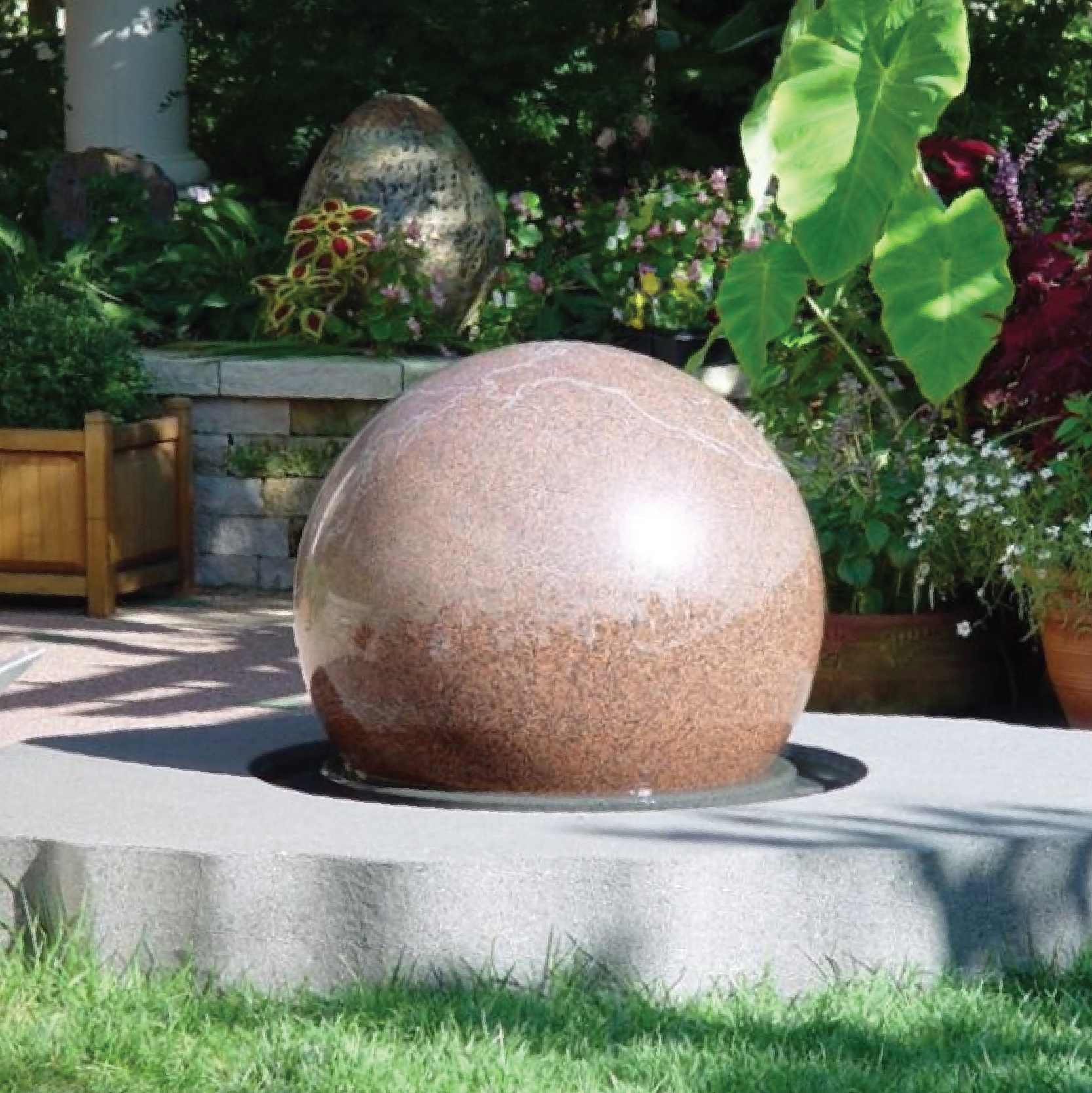
Kinetic & Abstract Bronze Features

Modern geometric and dynamic bronze sculptures that leverage water movement, counterweights, and dynamic flow pressure. Designed with precision-machined stainless steel pin bearings and isolated bronze housings to achieve silent, frictionless rotational motion.

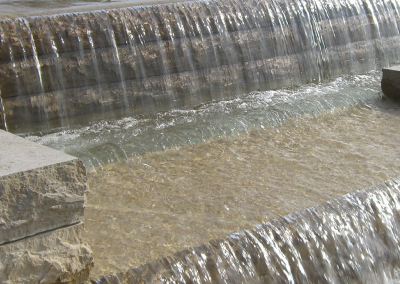
Tiered architectural bronze fountain

Tiered Classical Bronze Cascades

Multi-level architectural bronze basins providing heavy acoustic water splash and visual grandeur. Includes weir calculation engineering to guarantee uniform 360-degree perimeter water falls even under high municipal wind conditions.

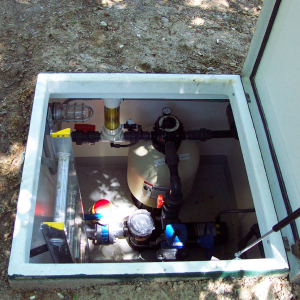
Underground equipment vault for bronze fountains

Sculptural Bronze Wall Reliefs

Space-saving vertical bronze installations tailored for building facades, entry plazas, and interior atrium water walls. Features custom splash-suppression catch basins and recirculating filtration systems engineered into compact vaults.
Material Science & Hydraulics

Metallurgical Standards & Internal Hydraulic Architecture

A frequent point of failure in commercial bronze sculpture fountains stems from improper alloy selection and unengineered internal plumbing. Bronze is not a single uniform material; its chemical composition dictates its structural longevity, weldability, and resistance to aggressive water treatments.

Silicon Bronze (C87300 / C87600) vs. Statuary Bronze (C83600)

For outdoor commercial fountains exposed to continuously sanitized water, Hydro Dramatics mandates the use of Silicon Bronze (ASTM B584 / UNS C87300 or C87600). Silicon bronze contains approximately 92% copper, 4% silicon, and 4% manganese/zinc. Unlike traditional statuary leadaed bronze alloys, silicon bronze offers exceptional tensile strength (up to 60,000 PSI), superior weld integrity for large structural castings, and outstanding resistance to dezincification and pitting in chlorinated or brominated aquatic environments.

Alloy Property / Metric Silicon Bronze (UNS C87300) Statuary Leaded Bronze (C83600) Architectural Engineering Benefit
Copper Content (%) 92.0% - 94.0% 84.0% - 86.0% Ensures rich patination depth and natural self-passivating protection.
Silicon / Tin Alloy Base 3.5% - 5.0% Silicon 4.0% - 6.0% Tin Silicon prevents micro-cracking during internal water pressure surges.
Tensile Strength 55,000 - 65,000 PSI 30,000 - 37,000 PSI Withstands structural wind load and heavy public interaction.
Corrosion Resistance in Sanitized Water Exceptional (High resistance to Chlorides/Bromides) Moderate (Prone to surface pitting & leaching) Prevents green chemical discharge and extends wax sealant cycles.
Weldability & Seamless Joining TIG / MIG Compatible with zero voiding Difficult due to lead sweating Allows invisible assembly of multi-piece commercial bronze sculptures.

Galvanic Isolation and Internal Manifold Engineering

When bronze sculptures interact with sub-surface stainless steel or iron plumbing, galvanic corrosion can rapidly degrade structural joints. Hydro Dramatics designs custom internal hydraulic distribution networks using heavy-wall Red Brass (Alloy C23000) or high-grade 316L Stainless Steel completely isolated via dielectric couplings. Internal conduits are hydraulically balanced using CFD (Computational Fluid Dynamics) modeling to ensure equal head pressure across every orifice, eliminating dead zones and erratic spray patterns.

Combining 40+ Years of Mechanical Discipline with Architectural Art

From custom bronze alloy casting to underground equipment vaults, Hydro Dramatics ensures your bronze sculpture fountain flows reliably for generations.

Get Catalog
The Hydro Dramatics Advantage

Why Leading Architects & Procurement Teams Partner With Us

Designing a breathtaking bronze fountain concept is only half the equation; turning that artwork into a self-sustaining, mechanically sound system requires specialized industrial engineering. Hydro Dramatics delivers unparalleled technical depth, backed by over 40 years of continuous industry leadership.

Direct Division of Missouri Machinery & Engineering Co.

Unlike artistic studios that outsource their mechanical designs or standard fountain distributors who lack custom fabrication equipment, Hydro Dramatics operates as an integral division of Missouri Machinery & Engineering Co. in St. Louis, Missouri, USA. This institutional backed setup gives our fountain engineers direct access to industrial-grade machine shops, certified welders, pump assembly bays, and heavy hydraulic testing facilities under one roof.

Turnkey Engineering Scope

  • Schematic Hydraulic Design: Flow rate optimization (GPM calculations), total dynamic head (TDH) sizing, nozzle velocity balancing, and splash radius modeling.
  • Metallurgical & Structural Consultation: Alloy specification, wind-load anchor calculations, dynamic balancing for kinetic elements, and internal manifold engineering.
  • Prefabricated Vault Manufacturing: In-house assembly of UL-listed electrical control panels, VFD pump skids, sand/cartridge filtration systems, and chemical monitoring systems.
  • Global Site Support & Commissioning: On-site field supervision, start-up commissioning, and routine maintenance protocols for international projects across North America, Europe, Asia, and the Middle East.

Hydro Dramatics Headquarters

  • Address: 4981 Fyler Ave., St. Louis, MO 63139, USA
  • Phone: +1 314-231-9806
  • Email: [email protected]

Landmark Water Feature Projects

View All Projects »
Procurement FAQ Guide

Frequently Asked Questions by Global Buyers & Engineers

We specify high-grade Silicon Bronze (ASTM B584 / UNS C87300 or C87600) for structural bronze fountain elements due to its high tensile strength, superior corrosion resistance in chlorinated or treated water, and exceptional casting fidelity for fine sculptural details. Avoid standard brass or high-zinc alloys which suffer from dezincification over time.

Galvanic corrosion occurs when dissimilar metals contact recirculated water. We isolate copper alloys from stainless steel or carbon steel components using non-conductive dielectric bushings, marine-grade rubber isolators, and high-purity brass or bronze internal manifolds. Furthermore, grounding and sacrificial anode protection systems are integrated when specified.

Hot chemical patinas (cupric nitrate for greens, liver of sulfur for deep browns) sealed with microcrystalline wax typically require annual re-waxing in commercial settings. For low-maintenance municipal installations, clear polyurethane lacquer coatings or naturally self-passivating natural bronze finishes are specified to minimize long-term labor costs.

Yes. Our engineering team designs specialized freeze-thaw mitigation protocols, including sloped basin hydraulics, automated low-point blowouts, submersible heating skids, and internal expansion-relief tubes placed inside hollow bronze castings to prevent structural cracking during freeze cycles.

Engaging Hydro Dramatics during the Schematic Design (SD) or Design Development (DD) phase is critical. Early involvement allows our mechanical engineers to properly size pumps, select pipe conduit paths, layout underground vaults, and establish accurate electrical and water supply requirements before structural slabs are poured.

Lead times vary depending on sculptural scale and vault complexity. Typically, engineering schematics and 3D modeling require 3–5 weeks, lost-wax/sand casting of bronze elements takes 12–16 weeks, and vault assembly requires 6–8 weeks (often executed concurrently). Early procurement scheduling ensures seamless on-site installation.