
0%

Commercial Waterfall Systems can transform an ordinary business space into a memorable sensory experience. Moving water creates visual rhythm, soft background sound, and a stronger emotional connection with visitors. In hotels, shopping centers, restaurants, and corporate lobbies, a carefully designed waterfall can become the property’s signature feature.

Architecture should serve people, not merely impress them. Frank Lloyd Wright, one of the most influential architects in modern history, said, “Study nature, love nature, stay close to nature. It will never fail you.” His principle remains relevant to commercial water design. Natural stone textures, controlled flow patterns, and balanced lighting can make a large installation feel calm rather than artificial. However, beauty alone is not enough.

Performance matters daily.

A dependable system requires accurate pump sizing, accessible filtration, safe drainage, splash management, and moisture control. Designers must consider how water affects nearby flooring, electrical equipment, air quality, and maintenance access. A dramatic cascade may attract attention, yet excessive noise or mist can frustrate guests and staff. That is where professional planning becomes valuable. Engineers, architects, and water-feature specialists should review structural loads, operating costs, and long-term servicing needs before installation.

The decision is not always simple. Some businesses may expect immediate returns, but a waterfall rarely solves weak branding or poor customer experience by itself. It works best as part of a broader design strategy. With honest budgeting, documented maintenance procedures, and thoughtful technical oversight, Commercial Waterfall Systems can deliver lasting visual impact without becoming an expensive afterthought.
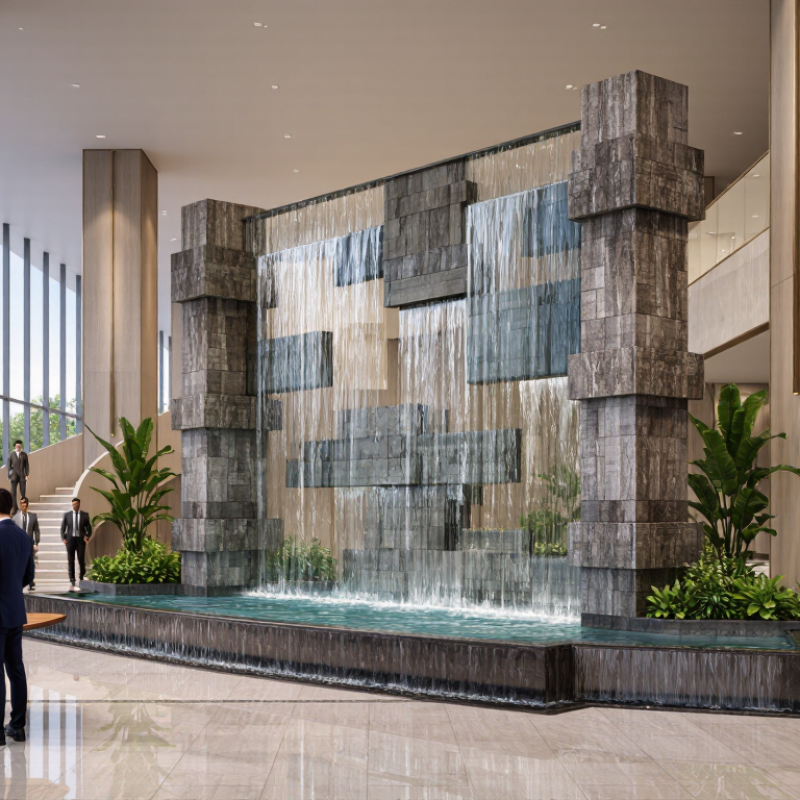
Why Choose Commercial Waterfall Systems for Your Business?

What Are Commercial Waterfall Systems?

Commercial waterfall systems are engineered water features designed for workplaces, hotels, retail spaces, healthcare facilities, and public interiors. They circulate treated water through pumps, spillways, reservoirs, and control equipment. Unlike a garden waterfall, the system must handle daily visitors, indoor humidity, noise limits, and regular maintenance.

In commercial projects, I have seen a narrow stainless-steel weir create a steady sheet of water across a lobby wall. A hidden basin catches the flow below. Sensors monitor water level, pump performance, and possible leaks. Glass, stone, tile, and metal can shape the visible surface, while access panels keep filters and valves reachable. Good design also controls splashing, mineral deposits, lighting glare, and sound reflection. These details affect safety, cleaning time, and visitor experience.

The system is not simply decoration.

It is a coordinated mechanical and architectural installation. Water treatment helps reduce odor and cloudy appearance, but it cannot remove every maintenance concern. Staff still need inspection schedules, filter cleaning, surface checks, and seasonal adjustments. Some projects underestimate service access. That mistake becomes expensive. A waterfall may look effortless, yet its reliability depends on correct sizing, careful installation, and documented upkeep. Local building, electrical, and water regulations should guide the final design.

How Commercial Waterfalls Enhance Business Environments

Commercial waterfalls can make business environments feel calmer, more memorable, and less rigid. Moving water creates a visible focal point near reception areas, lounges, and client waiting spaces. It can also provide gentle background sound, helping soften conversations and mechanical noise. The Human Spaces Global Report, based on 7,600 office workers across 16 countries, found that employees exposed to natural elements reported 15% higher wellbeing, 6% greater productivity, and 15% more creativity. Water alone cannot produce these results. However, it can strengthen a broader biophilic design strategy.

Professional planning matters. Designers should control splash, lighting, access, and sound levels before installation. The EPA recommends indoor relative humidity between 30% and 50%, so poorly managed water features may create comfort or maintenance problems. The mistake is treating a waterfall as decoration. A beautiful installation can still distract employees, waste water, or become difficult to clean. Results also vary by culture, workplace activity, and personal preference. That uncertainty deserves honest evaluation.

Tips: Place waterfalls away from focused workstations. Use quiet pumps and adjustable flow controls. Specify washable surfaces and visible maintenance access. Track water use, noise, and employee feedback after installation. A small pilot area may reveal problems before a full investment.

Key Design and Operational Features

Why Choose Commercial Waterfall Systems for Your Business?

Key Design and Operational Features

A commercial waterfall system can turn an ordinary lobby, courtyard, or wellness area into a memorable space. Its design must fit the building, not compete with it. Engineers usually assess water flow, surface slope, drainage capacity, lighting, and nearby foot traffic before construction. A narrow spillway may suit a hotel entrance, while a wider cascade can soften noise in a busy office courtyard. Materials also matter. Textured stone can hide small water marks, but smooth surfaces make cleaning easier.

Operational performance depends on controlled water movement. Variable-speed pumps help adjust flow during quiet hours and peak periods. Automated level sensors can detect evaporation, leaks, or unusual water loss. Filtration equipment should remain accessible, with clear service panels and safe maintenance paths. Timers and programmable controls reduce unnecessary energy use. The control cabinet needs protection from moisture. Small details matter.

Maintenance teams should inspect pumps, screens, lights, seals, and drainage channels on a documented schedule. In practice, even a well-designed system may develop blocked filters after heavy dust or nearby landscaping work. That is an easy detail to underestimate. Water treatment must follow local requirements and site conditions, especially where visitors may approach the feature. Slip-resistant edges, guarded electrical components, and visible emergency shutoffs support safer daily operation.

No design is perfect. A louder pump, uneven splash pattern, or difficult access panel may only become obvious after opening day. Regular observations from staff can reveal these weaknesses early, allowing practical adjustments before they affect visitors or operating costs.

Why Choose Commercial Waterfall Systems for Your Business? - Key Design and Operational Features

Design or Operational Feature Typical Commercial Consideration Business and Customer Value Important Planning and Maintenance Notes
Recirculating Water Circuit Water is collected in a basin and continuously returned to the feature by a pump. Reduces the need for a constant freshwater supply and supports predictable operating costs. The basin should be sized for the system flow rate, evaporation, splash-out, and temporary drainage during pump shutdown.
Variable Flow Control Adjustable pump speed or flow-control valves allow the water volume to be modified. Enables different visual effects, quieter operation during low-traffic periods, and better control of water use. Flow should be balanced across the full spillway to prevent dry areas, uneven sheets, or excessive splashing.
Spillway and Weir Geometry Common designs use level edges, stepped channels, or textured surfaces to shape the falling water. Creates a strong focal point and can reinforce a business’s architectural or hospitality environment. Accurate leveling is essential. Small height differences can cause uneven flow and increase splash-out.
Commercial-Grade Materials Frequently selected materials include stainless steel, reinforced concrete, glass, stone, tile, and engineered composites. Durable materials can withstand regular public use, moisture exposure, cleaning, and changing indoor or outdoor conditions. Material selection should consider chlorides, water chemistry, ultraviolet exposure, freeze-thaw cycles, slip resistance, and access for repairs.
Filtration and Debris Control Strainers, pump baskets, cartridge filters, or other mechanical filtration components remove leaves, dust, and suspended debris. Helps protect pumps, improves water clarity, and reduces visible debris in customer-facing areas. Filters require routine inspection and cleaning. Restricted filters can reduce flow and increase pump energy consumption.
Water Treatment Treatment may include controlled sanitization, pH management, and regular water replacement or dilution. Supports cleaner water and helps control odors, biological growth, scale, and cloudy appearance. Chemical dosing and testing must follow local regulations, equipment instructions, and a documented water-management plan.
Pump and Hydraulic Sizing Pump capacity is selected according to lift height, pipe length, pipe diameter, fittings, spillway width, and required flow. Correct sizing improves water performance while avoiding unnecessary power use, noise, and component wear. The hydraulic design should account for total dynamic head and include isolation valves, drain points, and service access.
Energy-Efficient Operation Efficient pumps, timers, variable-speed drives, and scheduled operating periods can reduce electricity demand. Helps lower operating costs and allows the feature to run according to occupancy, daylight, or business hours. Energy savings depend on pump efficiency, flow requirements, operating schedule, water lift, and local electricity rates.
Noise and Splash Management Flow velocity, drop height, basin depth, edge detailing, and acoustic materials influence sound and splash behavior. A controlled water sound can enhance ambience without disrupting conversations, transactions, or nearby work areas. Testing should be performed under normal and maximum flow conditions, including busy periods and wind exposure for outdoor installations.
Safety and Public Access Control Design measures may include guarded equipment, secure access covers, slip-resistant surfaces, protected electrical systems, and visible wet-area boundaries. Reduces the likelihood of slips, unauthorized access, equipment contact, and avoidable service interruptions. Electrical installation, drainage, barriers, signage, and accessible routes should comply with applicable building, electrical, plumbing, and safety codes.
Automatic Water-Level Management A float valve, level sensor, or automated fill system can compensate for evaporation and splash-out. Maintains stable pump conditions and reduces the need for frequent manual refilling. Include overflow protection, backflow prevention, isolation valves, and a reliable method for detecting leaks or abnormal water loss.
Drainage and Winterization Dedicated drains, low-point piping, access points, and seasonal shutdown procedures support controlled draining. Protects the system from stagnant water, freezing damage, flooding, and avoidable downtime. Outdoor installations in cold climates may require complete drainage, pipe protection, equipment isolation, and seasonal recommissioning.
Serviceability and Access Pump rooms, inspection panels, removable grates, and accessible valves should be incorporated into the layout. Shortens maintenance time and helps staff or contractors resolve problems before they affect customers. Service areas should remain reachable without dismantling major architectural elements or disrupting primary customer circulation.
Routine Maintenance Program Typical tasks include visual checks, debris removal, filter cleaning, water testing, pump inspection, and surface cleaning. Preserves appearance, water quality, hydraulic performance, and equipment life. A written schedule should define daily, weekly, monthly, and seasonal responsibilities, with records for inspections and water treatment.
Modular and Scalable Configuration Systems can be designed as compact indoor features, large outdoor installations, linear walls, stepped cascades, or multiple connected zones. Allows the feature to fit different footprints, customer volumes, architectural concepts, and future renovation plans. Expansion should be considered at the design stage because larger flow demands may require additional pumps, filtration, drainage, electrical capacity, or structural support.

Note: Performance, dimensions, flow rates, power consumption, water-treatment requirements, and code obligations vary by site conditions, system size, climate, and local regulations. Final specifications should be confirmed through a qualified hydraulic, electrical, and architectural design review.

Benefits for Branding, Customer Experience, and Property Value

Why Choose Commercial Waterfall Systems for Your Business?

A commercial waterfall can turn an entrance into a recognizable visual signature. Moving water creates motion, sound, and a memorable arrival point for visitors. PwC’s 2018 Future of Customer Experience survey found that 32% of customers would leave a company after one poor experience. A neglected feature can create that impression quickly. Clean basins, concealed equipment, and controlled water noise matter. So does lighting after sunset. In practice, guests may remember the atmosphere before they remember the reception desk. That is useful branding, though it is not magic.

Customer experience improves when the feature supports comfort instead of obstructing movement. Keep walking routes clear, use slip-resistant surfaces, and inspect splash zones regularly. The U.S. Green Building Council links water-efficient landscape planning with lower operating impacts, while efficient pumps can reduce unnecessary energy use. Property value may benefit, too. A Virginia Tech landscape economics study reported that well-designed landscapes could increase perceived home value by 5% to 15%; commercial results will vary by site and market. Location, maintenance, and design quality still matter more than decoration alone. Some businesses overbuild waterfalls, then discover that pump noise and repair access frustrate staff. That mistake deserves attention. A modest, reliable system often supports stronger branding, smoother visits, and a more credible property image.

Factors to Consider Before Choosing a Waterfall System

Choosing a commercial waterfall system requires more than attractive photographs and a low quote. Start with the building. Measure available space, wall strength, drainage, electrical access, and visitor movement. A narrow lobby may need a vertical design, while a wellness center may support a wider, quieter flow.

In my experience, poor site measurements create expensive changes later. Ask for drawings, load data, pump specifications, and maintenance access before approving a layout.

Water quality and hygiene deserve equal attention. The system should support practical filtration, easy basin cleaning, and safe water treatment. Check whether technicians can reach pumps without dismantling decorative panels.

Look for corrosion-resistant materials, sealed electrical connections, and slip-resistant surfaces around splash zones. These details affect staff safety and daily reliability.

Still, “low maintenance” can be an optimistic phrase. Request a written service schedule, replacement intervals, noise readings, and emergency procedures. If those answers remain vague, pause the purchase.

Budget beyond installation. Energy use, water loss, winter protection, repairs, and cleaning labor can change the real cost. Compare performance over several years, not only the first invoice.

A qualified installer should explain local compliance requirements and provide documented testing.

Ask for references from similar commercial sites, then inspect one if possible. I would also test the sound level during busy hours. A beautiful waterfall that interrupts conversations may disappoint visitors.

FAQS

What is a commercial waterfall system?

It is an engineered water feature for workplaces, hotels, retail spaces, and public interiors. Pumps circulate treated water through spillways, reservoirs, and control equipment. It requires mechanical planning, not decoration alone.

Where can these systems be installed?

They can fit lobby walls, wellness centers, healthcare facilities, and retail areas. A narrow lobby may need a vertical design. A wider space can support quieter, broader flow.

What should be checked before choosing a system?

Measure wall strength, available space, drainage, electrical access, and visitor movement. Check how people will pass near splash zones. Small measurement errors can become expensive changes.

Which materials are suitable for commercial waterfalls?

Glass, stone, tile, and corrosion-resistant metal can form the visible surface. Stainless steel may create a smooth sheet of water. Material choice affects cleaning, durability, glare, and mineral deposits.

How is water quality managed?

Filtration and water treatment help reduce odors and cloudy water. They do not remove every maintenance concern. Staff still need basin cleaning and water-quality checks.

How much maintenance does a commercial waterfall need?

Staff should inspect pumps, filters, water levels, surfaces, and possible leaks. They should also follow seasonal adjustment procedures. “Low maintenance” may be too optimistic.

How can noise and splashing be controlled?

Designers should test sound levels during busy hours. A hidden basin can catch falling water and reduce visible splashing. Surface shape, flow rate, and room acoustics also affect noise.

What access features should the system include?

Access panels should allow technicians to reach pumps, filters, valves, and sensors. Decorative panels should not require complete removal for routine service. That detail matters.

What costs should be included in the budget?

Include installation, electricity, water loss, repairs, winter protection, and cleaning labor. Compare several years of operation, not only the first invoice. Unexpected service costs can change the decision.

What documentation should buyers request?

Request drawings, load data, pump specifications, service schedules, replacement intervals, and emergency procedures. Ask for noise readings and documented testing. If answers remain vague, pause and reconsider.

Conclusion

Commercial Waterfall Systems are architectural water features designed for commercial spaces such as hotels, offices, restaurants, retail centers, and wellness facilities. By combining flowing water with carefully planned materials, lighting, sound, and circulation, these systems can create a distinctive atmosphere and improve the overall character of a property. They may serve as a welcoming focal point, a calming backdrop, or an engaging visual feature that supports a company’s professional image and customer experience.

When selecting a system, businesses should consider available space, structural requirements, water management, energy use, maintenance access, safety, noise levels, and long-term operating costs. A well-designed waterfall can strengthen branding, encourage visitors to spend more time in a space, and contribute to perceived property value. The best choice balances appearance with reliable performance, efficient operation, practical maintenance, and compatibility with the building’s design and intended use.

Amelia

Amelia

Amelia is a highly experienced marketing professional dedicated to helping businesses understand how thoughtful products and practical solutions can create lasting value. With a strong knowledge of the company’s offerings, she transforms complex product information into clear, useful, and engaging......